Proper Campsite Selection and Setup
A good campsite makes the difference between a restful night and a miserable one. The skills of reading terrain and selecting a site improve with every trip.
When to Start Looking
Begin scouting for a campsite at least 1 hour before dark. Good sites go fast in popular areas, and setting up in fading light leads to poor choices.
The Ideal Campsite
Terrain
- Flat ground: Even a slight slope makes sleeping uncomfortable. Lie down and test before setting up.
- Slightly elevated: Camp on a slight rise, not in a depression where cold air and water pool.
- Natural drainage: Avoid low spots, dry creek beds, and obvious water channels.
- Ground composition: Pine needle beds and sandy soil are the most comfortable. Avoid rocky ground and root networks.
Protection
- Wind: Camp in the lee of trees, boulders, or ridges. Avoid exposed ridgetops.
- Widowmakers: Look up. Dead trees and large dead branches above your camp can fall without warning. Move if you see them.
- Lightning: In storms, avoid the tallest trees, isolated trees, ridgetops, and water.
Water Access
- Camp within reasonable distance (100–500 feet) of a water source for convenience
- But always at least 200 feet from water (required by LNT and most land management agencies)
- Listen for water — sometimes a stream is closer than you think
Privacy
- Set up out of sight of the trail when possible
- Camp at least 200 feet from the trail in most wilderness areas
- Respect other campers' space
Setting Up Camp
Tent Placement
- Clear the ground of rocks, sticks, and pinecones (but do not dig or level the ground)
- Orient the tent door away from prevailing wind
- If on a slight slope, sleep with your head uphill
- Place a footprint or ground cloth under the tent (tuck edges under so rain does not pool between footprint and tent floor)
Kitchen
- Cook 200+ feet downwind from your tent (especially in bear country)
- Choose a durable surface (rock, bare ground, established fire ring)
- Set up stove on level ground, protected from wind
Water Source
- Establish a path to water that minimizes impact
- Filter water at the source and carry it to camp
- Wash dishes and dispose of gray water 200+ feet from the water source
Bathroom
- Identify a cat hole area 200+ feet from water, trails, and camp
- If camping multiple nights, use different spots each time
Campsite Types
Established Sites
- Use an existing campsite when possible — it concentrates impact
- Look for flattened ground, fire rings, and worn paths
- These sites are already impacted; using them prevents new damage
Pristine Sites
- If no established site exists, choose the most durable surface available
- Spread activities to prevent creating new wear patterns
- Restore the site when you leave — scatter leaves, replace rocks, eliminate any trace
Designated Sites
- Many popular areas require camping in specific designated sites
- Reserve in advance when required
- Follow all posted rules
Common Mistakes
- Setting up in a drainage (flooding risk in rain)
- Camping under dead trees
- Too close to water
- Not checking for ant hills, hornet nests, or poison ivy before setting up
- Pitching the tent before testing the ground for flatness and comfort
Recommended Products
Based on this guide, here are some top-rated products to consider:
- Thule Basin Tent ($3000)
- Thule Basin Wedge Tent ($3000)
- ROAM Adventure Co Desperado Hardshell Roof Top Tent - 2-Person ($2999)
- HEST Dually Roof-Top Tent Sleeping Pad ($749)
- HEST Dually RTT Sleeping Pad ($749)
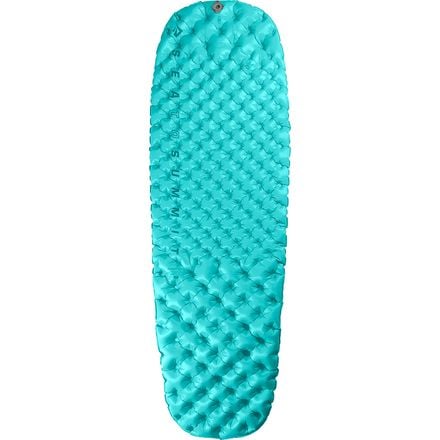
- Hike & Camp Comfort Light Insulated Sleeping Pad - Women's ($595)
- Petzl Duo RL Headlamp ($825)
- Petzl Duo RL Headlamp ($825)