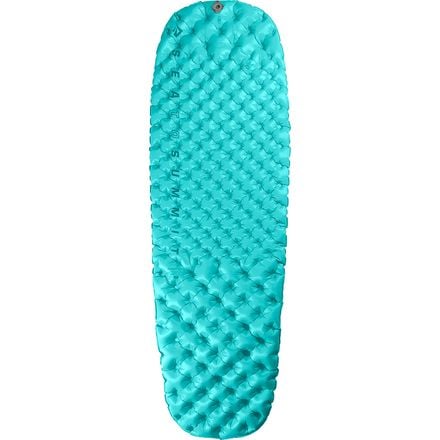
Sleeping Pad Comparison: Foam vs. Inflatable vs. Self-Inflating
Your sleeping pad is the most underrated component of your sleep system. It provides two critical functions: comfort (cushioning from the ground) and insulation (preventing heat loss to the cold ground). Choosing the right pad depends on your priorities.
Closed-Cell Foam Pads
How They Work
Solid foam with closed air cells that trap warmth and provide cushion.
Pros
- Indestructible: No punctures, no leaks, no failures
- Lightweight: 8-14 oz for a full-length pad
- Cheap: $15-45
- Multi-purpose: Sit pad, pack frame, splint, ground protection under an inflatable
- No inflation needed: Unroll and sleep
Cons
- Bulky: Must strap to the outside of your pack
- Less comfortable: Thin (0.5-0.75 inches) provides minimal cushion
- Lower R-value: Typically R-2.0 to R-2.6 (adequate for summer only as a standalone)
- Not for side sleepers: Hips and shoulders press through to the ground
Best Options
- Therm-a-Rest Z Lite SOL: Classic accordion-fold design, R-2.0, 14 oz, $35-45
- Nemo Switchback: Similar design with better comfort, R-2.0, 14 oz, $40-50
- Gossamer Gear Thinlight: Ultra-minimal (2 oz) — used as supplement under an inflatable
Best for: Ultralight hikers, summer trips, backup/supplement pad, those who prioritize reliability over comfort.
Inflatable Pads
How They Work
Air chambers inside a lightweight shell, inflated by mouth, pump sack, or integrated pump. Insulated models have reflective layers or synthetic fill inside.
Pros
- Most comfortable: 2-4 inches of cushion
- Excellent R-values: Up to R-6+ for winter models
- Compact: Packs to the size of a water bottle
- Side-sleeper friendly: Enough cushion for hip and shoulder comfort
Cons
- Puncture risk: A single hole means a flat night without a repair kit
- Heavier than foam: 8-20 oz depending on size and insulation
- Expensive: $100-250+
- Noise: Some models crinkle when you move
- Inflation time: 10-30 breaths or 1-2 minutes with a pump sack
Best Options
- Therm-a-Rest NeoAir XLite NXT: Gold standard. R-4.5, 12.5 oz, ultralight and warm. $200+
- Therm-a-Rest NeoAir XTherm NXT: Winter-rated. R-7.3, 15 oz. $230+
- Sea to Summit Ether Light XT: Comfort-focused. R-3.2, 17 oz. Very quiet. $160+
- Nemo Tensor Insulated: R-4.2, 15 oz, very quiet, well-priced. $150+
- Klymit Static V: Budget pick. R-1.3, 18 oz. $40-60
Best for: Most backpackers, side sleepers, cold-weather camping, anyone prioritizing comfort.
Self-Inflating Pads
How They Work
Open-cell foam inside an airtight shell. Open the valve and the foam expands, drawing air in. Top off with a few breaths.
Pros
- Good comfort: 1-2.5 inches of foam + air cushion
- Decent R-values: R-3 to R-5 for standard models
- Moderate durability: Thicker fabrics than inflatable pads
- Less affected by puncture: Foam still provides some insulation and cushion even if punctured
Cons
- Heavy: 16-40+ oz for full-length pads
- Bulky: Do not compress as small as inflatables
- Slow inflation: Self-inflation takes 5-10 minutes plus topping off
- Expensive: $60-200
Best Options
- Therm-a-Rest ProLite: Lightweight for a self-inflating pad. R-2.4, 16 oz. $75+
- Therm-a-Rest Trail Pro: Comfort-focused. R-4.4, 28 oz. $100+
- Exped MegaMat: Car camping king. R-8.1, extremely comfortable. Heavy (78 oz). $200+
Best for: Car camping, base camping, those who want reliability and comfort and can tolerate extra weight.
R-Value Explained
R-value measures thermal resistance — higher numbers mean more insulation from the cold ground.
| Season | Minimum R-Value |
|---|---|
| Summer | R-1.0-2.0 |
| Three-season | R-3.0-4.0 |
| Winter | R-5.0+ |
| Extreme cold | R-7.0+ |
Stacking Pads
- You can stack pads to add R-values together
- A foam pad (R-2) under an inflatable (R-4.5) = approximately R-6.5
- This also protects the inflatable from puncture
- Common ultralight winter strategy: foam pad + inflatable
Quick Comparison Table
| Factor | Foam | Inflatable | Self-Inflating |
|---|---|---|---|
| Weight | 8-14 oz | 8-20 oz | 16-40 oz |
| Packed size | Bulky | Very compact | Moderate |
| Comfort | Low | High | Medium-High |
| R-value range | 2.0-2.6 | 1.3-7.3 | 2.4-8.1 |
| Durability | Excellent | Fair (puncture risk) | Good |
| Price | $15-50 | $40-250 | $60-200 |
| Best use | UL/summer | Most backpacking | Car/base camp |
Pad Care
Inflatable Pads
- Carry a patch kit (included with most pads)
- Avoid inflating by mouth in cold weather (moisture inside freezes and damages baffles)
- Use a pump sack or integrated pump
- Store partially inflated with valve open
All Pads
- Store unrolled and flat at home
- Keep away from sharp objects in your pack
- Clean with mild soap and water, air dry completely
- Inspect for damage before each trip
Conclusion
For most backpackers, an insulated inflatable pad offers the best combination of comfort, warmth, and packability. Add a thin foam pad underneath for winter trips or extra protection. Car campers should consider self-inflating pads for their superior comfort. And every hiker should own a closed-cell foam pad as an indestructible backup that doubles as a sit pad.
Recommended Products
Based on this guide, here are some top-rated products to consider:
- HEST Dually Roof-Top Tent Sleeping Pad ($749)
- HEST Dually RTT Sleeping Pad ($749)
- Hike & Camp Comfort Light Insulated Sleeping Pad - Women's ($595)
- NRS Foam Paddle Float ($43)
- Magma Cover, Foam Pad, Kayak/Sup Rod Holder Mounted Rack, Pair ($40)
- FatBoy Tripods Foam Pad Replacement ($28)
- Magma Cover, Foam Pad, 36in, Base Rack ($27)
- Aquapac Crusader 15' Multi-Person Inflatable Paddle Board - Cobalt/White 336D... ($1999)